
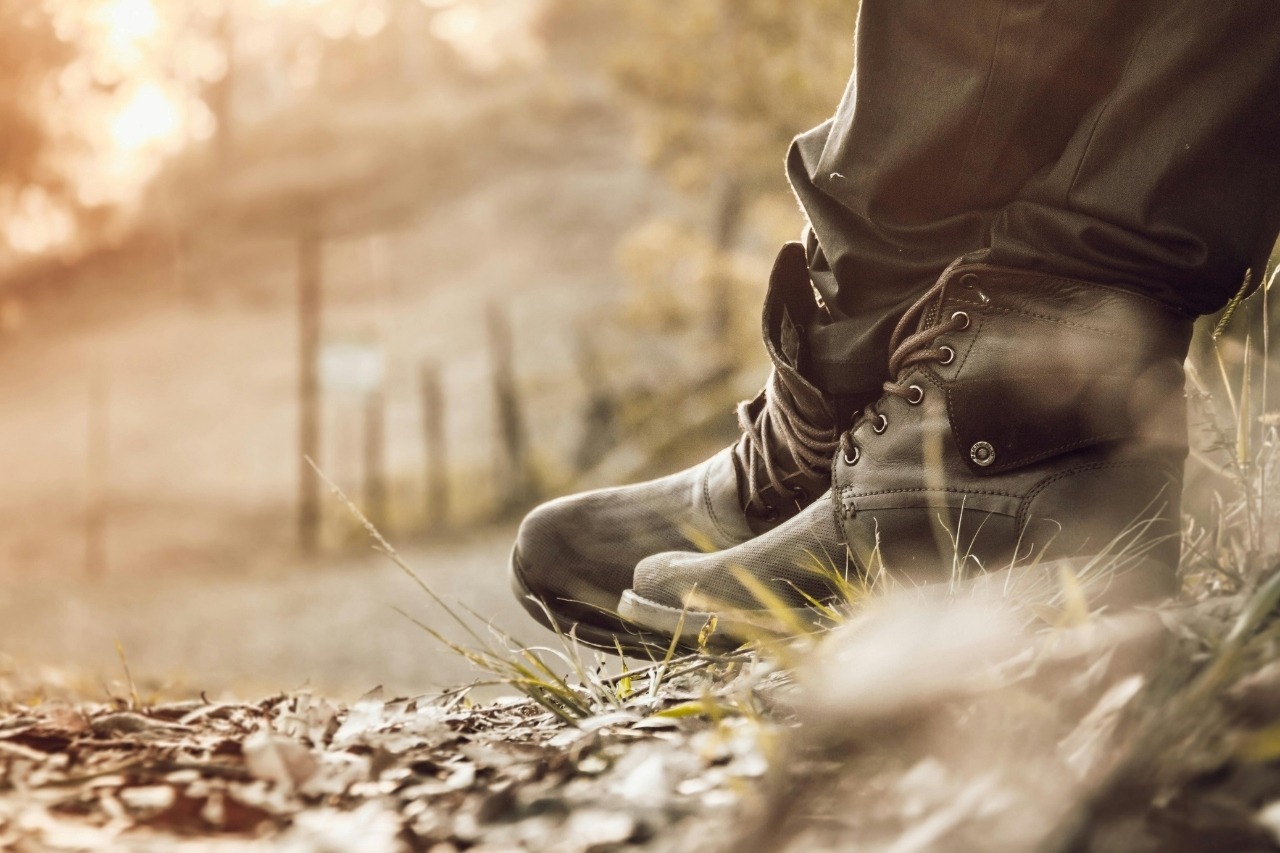
When your feet are happy, you hunt better—full stop. The right boot keeps you quiet on approach, stable on uneven ground, warm (or cool) enough for the day, and blister-free when the stalk runs long. But “right” changes with terrain. Africa alone serves up red-sand Kalahari, dew-soaked delta reeds, granite kopjes and thornveld—each punishing ill-matched footwear in a different way.
This guide breaks down the boot tech that actually matters, then maps options to the ground you’ll cover—so you can pick confidently, pack smartly, and walk out smiling.
Quick picks by terrain (cheat-sheet)
- Savanna / bushveld (dry season): Uninsulated leather or leather/nylon boots, 6–8″, grippy but quiet lugs, supportive midsole, breathable waterproofing optional.
- Delta & wetlands: Tall rubber or rubber-neoprene boots (knee-high), aggressive mud-shedding lugs, full waterproofing.
- Kalahari & other deserts: Light, breathable 6–8″ boots with rock plate/shank; heat-tolerant membranes or no membrane; lug pattern that copes with sand.
- Montane & rocky highlands: Stiffer mountain boots (8–10″), torsional support, full rand if possible, waterproof/breathable liner.
- Miombo / thick woodland & grass seeds: 8″ leather boots with close-weave gaiters; moderate stiffness; waterproof/breathable liner helpful for dew.
- Cold mornings / winter highveld: Same as above but 200–400 g of synthetic insulation (or warmer if you sit for long periods).
- Snake country: Purpose-built snake-resistant models or robust leather boots with over-the-calf snake gaiters.
(We’ll unpack each choice in detail below.)
The anatomy that really matters
Understanding a few components makes every boot spec sheet meaningful.
Uppers (leather, fabric, rubber)
- Full-grain leather resists abrasion, supports the ankle and, when treated, shrugs off light moisture. It’s quieter in brush than stiff synthetics.
- Leather/nylon hybrids cut weight and dry faster—useful in warm climates.
- Rubber / rubber-neoprene is king for standing water and sticky mud; it’s easy to hose off and fully waterproof by design (great for deltas and marsh).
Waterproof/breathable membranes
GORE-TEX® remains the benchmark for keeping external water out while letting perspiration vapour escape—critical when you hike hard but must stay dry during a sudden shower or wet grass push. (Other membranes exist and can perform well; what matters is the balance of waterproof rating, breathability and boot construction.)
Insulation (how many “grams”?)
Manufacturers quote synthetic insulation weight per square metre (e.g., 200 g, 400 g, 800 g). Roughly:
- 0–200 g: Active hunts in mild–cool weather.
- 400 g: Cold mornings with some walking or long sits.
- 800 g+: Prolonged static glassing in sub-freezing conditions.
“Grams” aren’t a warmth guarantee (fit, socks and activity level matter), but they’re a useful shorthand when comparing models.
Midsoles & underfoot support
- EVA midsoles feel cushy and light, ideal for high-mileage days.
- Polyurethane (PU) is firmer, more durable and stable under heavy loads or rocky terrain—favoured in true mountain boots.
- Shanks / rock plates (nylon, fibreglass or steel) add torsional rigidity and stone bruise protection for talus and lava rock.
Outsoles (rubber & lugs)
Look for a durable rubber compound and lugs matched to terrain: wider-spaced for mud shedding, smaller/shallower for quiet grip on hardpan. Vibram® is a common premium outsole brand with multiple compounds tuned for wet grip and wear.
Height & lacing
- 6–8″: All-round hunting; easier ankle articulation, lighter.
- 8–10″: More support under load or on broken ground.
- Knee-high: Wetlands and mud.
Master a heel-lock (runner’s loop) to stop heel lift and hot spots on climbs.
Terrain-by-terrain recommendations (with proven examples)
Brand examples are illustrations of types that work well. Try on multiple boots; fit beats spec every time.
1) Savanna & bushveld (dry season)
What you need: Quiet leather, moderate support, breathable comfort in heat, and a sole that grips dusted hardpan without picking up stones. Waterproofing is optional; dew is often the only moisture.
Good features
- Uninsulated or 0–200 g insulation.
- Leather or leather/nylon uppers, 6–8″.
- Medium-depth lugs for silent grip.
- Breathable liner (GORE-TEX or equivalent) if you expect morning dew.
Examples
- Courteney safari-style leather boots (Zimbabwe)—quiet on thornveld and built for African heat.
- Jim Green African Ranger (South Africa)—tough full-grain leather with resolable construction for guiding and daily wear.
2) Delta & wetlands (Okavango style)
What you need: Stand-in-water waterproofing, knee-high coverage, mud-shedding traction.
Good features
- Rubber or rubber-neoprene boots, 14–18″ tall.
- Insulation only if your mornings are cold; otherwise uninsulated to reduce sweat.
- Wider-spaced lugs.
Examples
- LaCrosse Alphaburly Pro—rubber/neoprene with options from uninsulated to 1600 g for cold waterfowling.
3) Desert & semi-desert (Kalahari, Karoo)
What you need: Heat management and forefoot protection for endless dune crests and calcrete pans.
Good features
- Light 6–8″ boots, minimal/no insulation.
- Breathable upper; either no membrane or a highly breathable membrane.
- Rock plate/shank to stop stone bruising.
- Lugs that cope with sand without feeling “skaty”.
Examples
- Danner Pronghorn—light, supportive all-rounder available uninsulated up to 1200 g; popular in warm-dry hunts when chosen uninsulated.
4) Rocky highlands & kopjes (Drakensberg, Matobo, Ethiopia’s Bale-like escarpments on extended trips)
What you need: Torsional rigidity under load, edging on granite, full rand (if possible), and a stable platform for steep side-hills.
Good features
- Stiff midsole with PU and a supportive shank.
- 8–10″ height for ankle support.
- Full-grain leather with rubber rand; waterproof/breathable liner.
Examples
- LOWA Tibet GTX—a classic stiff mountain boot with GORE-TEX lining.
- Meindl Island/“MFS”-class trekking boots—firm PU midsoles and robust leather uppers.
- Kenetrek Mountain Extreme 400—a hunting-tuned mountain boot with 400 g insulation for cold, steep hunts.
5) Thick woodland, tall grass & seed heads
What you need: Dew protection, seed-resistant fabric, and all-day comfort while still moving quietly.
Good features
- 8″ leather or leather/nylon uppers.
- Waterproof/breathable membrane to handle soaked grass at dawn.
- Close-weave gaiters to keep out “stickseeds” and blackjacks.
Examples
- Crispi Nevada GTX—moderately stiff, leather, GORE-TEX; available uninsulated or 200 g.
6) Cold mornings / winter highveld
What you need: Enough insulation for the sit and drive, without turning into swampers once you start walking.
Good features
- 200–400 g synthetic insulation for mobile hunts; 800 g+ if you’ll be glassing from one spot for hours.
- Room for a proper sock system (see below).
Fit first: the five-minute in-store test (or at-home checklist)
- Try boots late in the day when your feet are slightly swollen (more realistic trail volume).
- Use your hunting socks and any insoles you plan to wear.
- Toe test: Tap a downhill ramp; toes shouldn’t slam into the cap.
- Heel test: Lace with a heel lock; minimal heel lift on an uphill ramp.
- Volume check: No pressure points on the 1st/5th met heads (ball of foot) or navicular. If you need more room there, consider boots made on a higher-volume last.
Pro tip: Many modern mountain boots run with a firm PU midsole that feels stiff on carpet but brilliant on steep side-hills under a pack. Give them a proper flex test on a step or ramp.
Socks, liners & gaiters (the cheap comfort upgrade)
A good sock system manages moisture and micro-movement to prevent blisters.
- Merino-blend socks breathe, wick and resist odour even when damp—ideal from cool dawns to hot midday stalks.
- Liner socks (thin synthetic or silk) can reduce friction on long climbs.
- Gaiters keep seeds, grit and ticks out; in snake country, upgrade to dedicated snake gaiters over sturdy boots.
Break-in & blister prevention (field-tested routine)
- Short shakedowns: 2–3 one-hour walks before any hunt day.
- Lace smarter: Use the runner’s loop for steeps; loosen the forefoot for flats.
- Hot-spot discipline: The moment you feel rubbing, stop; tape with hydrocolloid/blister plaster or a strip of zinc oxide.
- Foot care kit: Alcohol wipes, blister plasters, leukotape, small scissors, dab of foot powder.
Care, waterproofing & longevity
- Dry slow, never on a fire or heater. Heat cooks glues and leathers.
- Brush & rinse after clay or sand—abrasive grit shortens outsole life.
- Reproof leather with a suitable conditioner/wax and top up DWR on fabric with an after-wash treatment; membranes (e.g., GORE-TEX) rely on a functioning DWR to breathe well.
- Resole-friendly boots (stitched or glued with resoling options, like many Jim Green and some mountain models) can deliver years of service if uppers are cared for.
Picking by hunt style (use-case examples)
- All-round plains game, April–September, mostly walk & stalk: 6–8″ leather boot, uninsulated, medium lugs, merino socks + gaiters. (Courteney/Jim Green/Crispi-style.)
- Okavango mokoro days and papyrus banks: Knee-high rubber/neoprene, uninsulated unless winter dawns bite. (LaCrosse Alphaburly.)
- High-volume hill work carrying glass & sticks: Stiff 8–10″ mountain boots with PU midsoles and shank. (LOWA Tibet, Meindl Island, Kenetrek Mountain Extreme.)
- Late-season static sits on frosty mornings: 400–800 g insulated leather boots, roomy enough for thick socks.
Common mistakes (and easy fixes)
- Buying by brand, not by fit. Every brand uses different lasts; two “size 9s” can fit totally differently.
- Too much insulation for active hunts. Sweat + cold breeze = chilly feet; pick the lowest insulation that matches your sit time.
- Skipping gaiters in seed season. Seeds in socks = blisters and misery.
- Ignoring lacing. A 30-second heel lock can save a day.
- Drying boots on heaters. Glue failure and cracked leather follow.
Ten-point boot buying checklist
- Right for terrain (support, waterproofing, lug pattern)
- Right for temperature (0/200/400/800 g)
- Fit dialled with your socks/insoles
- Weight you’re happy to carry all day
- Shank/rock plate if rocky; softer flex if mostly flat bush
- Waterproof/breathable membrane only if you need it (dew, showers, stream crossings)
- Outsole lugs match mud, sand or hardpan
- Lacing hardware solid; tongue gusset high enough
- Room for merino socks (and a liner if you use one)
- Care kit ready (brush, wax/re-proofer, gaiters)
Final word
Boots are mission-critical gear. Start with terrain, temperature and hunt style, then let fit be the deciding vote. If you’re unsure, bring two pairs on safari—one lighter, one sturdier—so a change of weather or plan doesn’t pin you to camp. Your feet will thank you, and your PH will too.
Sources & further reading
- GORE-TEX footwear technology overview (waterproof & breathable liner principles). Kenetrek Boots
- REI Expert Advice: hiking boot materials, midsoles (EVA vs PU), shanks and support. courteneyboot.com
- 3M Thinsulate—practical warmth guidance by gram weights (typical ranges used in hunting boots). courteneyboot.co.za
- Vibram—outsoles and compound use cases. Lock Laces®
- Heel-lock / runner’s loop lacing technique. REI
- Brand/product examples mentioned:
- Kenetrek Mountain Extreme 400. Vibram
- Crispi Nevada GTX. Vibram
- Danner Pronghorn. Vibram
- LOWA Tibet GTX. Kenetrek Boots
- Meindl Island/MFS-class trekking boots. Kenetrek Boots
- LaCrosse Alphaburly Pro (rubber/neoprene, multiple insulation options). Kenetrek Boots
- Courteney boots—classic African safari boots. REI
- Jim Green African Ranger (resole-friendly South African leather boot).
